Why does a failing thermostat cause hvac inefficiency?
Instead of precise temperature control, your system may begin operating based on incorrect data. This leads to longer run times, inconsistent temperatures, and unnecessary strain on HVAC components. According to the U.S. Department of Energy inefficient thermostat operation can significantly increase energy consumption, making it one of the most overlooked causes of rising utility bills.
7 signs your thermostat needs replacement
1. Unresponsive thermostat or blank display
Electrical components inside the thermostat naturally degrade over time. Once this happens, the unit may lose power intermittently or stop functioning altogether.
2. HVAC system not responding to thermostat adjustments
If your HVAC system doesn’t react after adjusting the temperature, your thermostat may not be communicating properly.
This often starts with delayed responses but can progress into complete failure. You may notice that your system turns on randomly or ignores settings entirely.
This issue is typically caused by worn internal relays or faulty wiring connections within the thermostat.
3. Inaccurate temperature readings
When your thermostat displays a temperature that doesn’t match how your home feels, it’s likely misreading indoor conditions.
This problem is usually caused by sensor drift. Over time, internal sensors lose calibration and provide incorrect data to your HVAC system.
As a result, your system may:
- Run longer than necessary
- Shut off too early
- Struggle to maintain consistent comfort
4. HVAC system running constantly
This leads to increased energy consumption and added strain on system components. If your system rarely shuts off or seems to run continuously, your thermostat may no longer be regulating it correctly.
5. Frequent short cycling
Short cycling occurs when your HVAC system turns on and off repeatedly within short periods. This prevents the system from completing full cycles, reducing efficiency and increasing wear.
A faulty thermostat can cause this by sending inconsistent or incorrect signals.
You may notice:
- Rapid on/off cycles
- Uneven temperature fluctuations
- Increased system noise
6. Rising energy bills without increased usage
If your energy bills are increasing despite no change in usage, your thermostat may be the underlying issue.
When it misreads temperature or sends incorrect signals, your HVAC system compensates by running longer. Over time, this inefficiency leads to higher monthly costs.
7. Thermostat is outdated or over 10–15 years old
Even if your thermostat appears functional, age can significantly impact its accuracy and efficiency.
Older units lack modern features that optimize HVAC performance. Upgrading provides benefits such as improved precision and better energy management.
Modern thermostats often include:
- Programmable schedules
- Smart automation
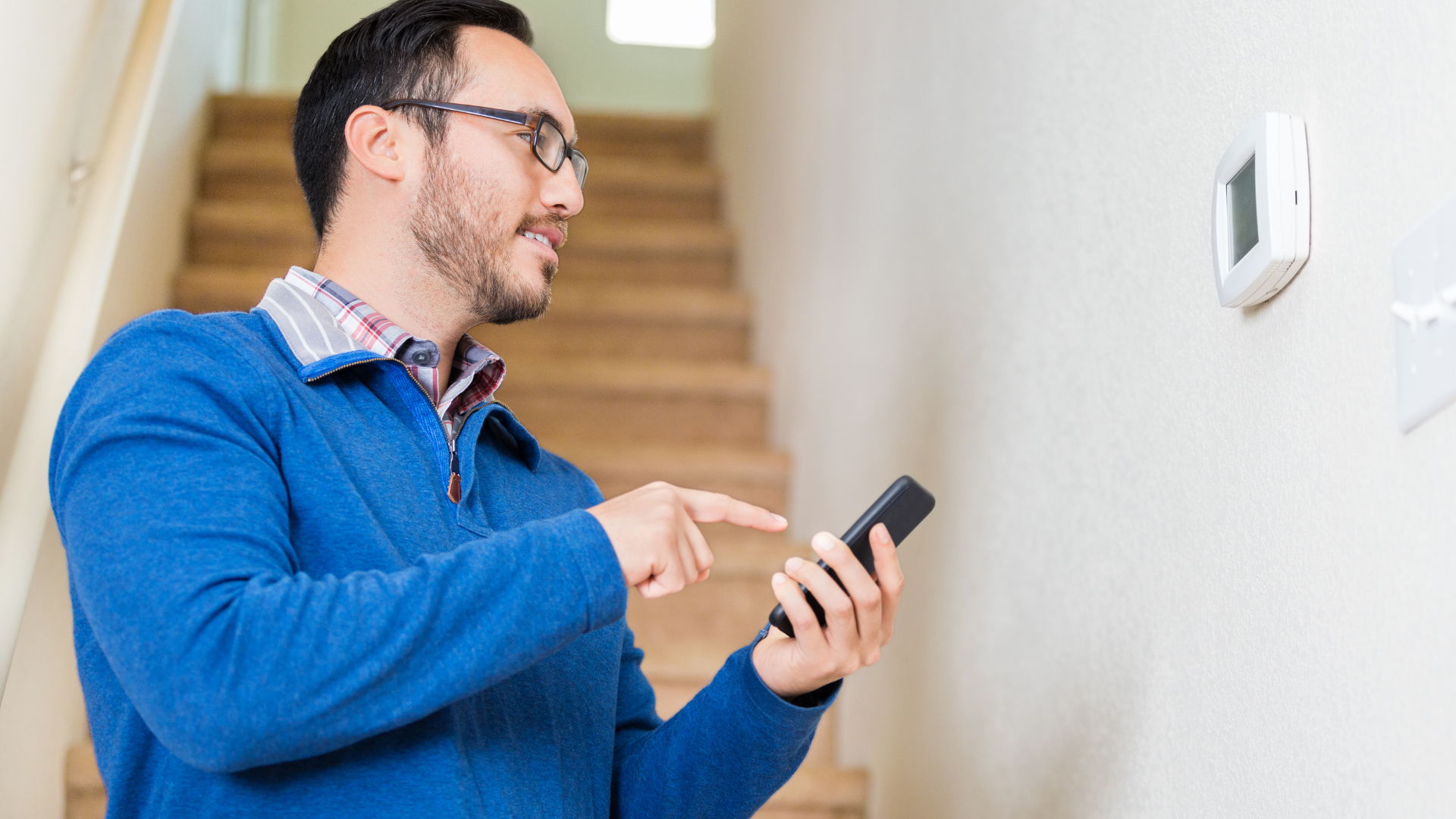
- Remote access via mobile apps
What happens if you ignore thermostat problems?
Ignoring thermostat issues can lead to more serious HVAC problems. What begins as a minor inconvenience can result in system inefficiency, increased wear, and eventual breakdown.
Over time, this can cause:
- Higher repair costs
- Reduced system lifespan
- Poor indoor comfort
Repair vs replacement: which is the better option?
Some thermostat issues can be resolved with basic troubleshooting, such as replacing batteries or checking wiring. However, if problems persist, replacement is usually the more cost-effective solution.
A new thermostat restores accurate communication with your HVAC system and eliminates recurring issues.
Should you upgrade to a smart thermostat?
Upgrading to a smart thermostat is one of the easiest ways to improve energy efficiency and comfort.
Key advantages include:
- Automated temperature adjustments based on your schedule
- Remote access through mobile devices
- Energy usage tracking for better decision-making
Benefits of professional thermostat installation
While DIY installation is possible, professional service ensures proper setup and compatibility with your HVAC system.
Incorrect installation can lead to wiring issues or reduced efficiency. A professional technician ensures that your thermostat is calibrated correctly and communicates effectively with your system.
Conclusion: Don’t ignore the early warning signs
Your thermostat directly impacts your home’s comfort, energy efficiency, and HVAC system lifespan. When it begins to fail, the effects quickly become noticeable.
By recognizing these seven signs early, you can take action before small issues turn into costly repairs. Replacing your thermostat at the right time ensures reliable performance, lower energy costs, and consistent indoor comfort.