Water heater repair vs replacement cost depends on the age of the unit, severity of the issue, and frequency of breakdowns. Minor repairs may cost $150–$600 , but repeated failures or tank corrosion often make full replacement ($1,200–$3,500+) the more cost-effective long-term solution.
Introduction: When “Small Water Heater Problems” Turn Into Expensive Decisions
A water heater rarely fails all at once. It usually starts with small warning signs—slightly lukewarm water, strange noises, or rising energy bills. The real challenge homeowners face is knowing when a simple repair is enough and when continuing to fix the unit becomes more expensive than replacing it.
This guide breaks down water heater repair cost vs replacement cost, what drives pricing, and how to make the smartest financial decision before a minor issue turns into a major plumbing expense.
This guide breaks down water heater repair cost vs replacement cost, what drives pricing, and how to make the smartest financial decision before a minor issue turns into a major plumbing expense.
What Is the Real Water Heater Repair vs Replacement Cost?
Understanding both sides of the equation helps prevent overspending.
Typical Water Heater Repair Costs:
Typical Water Heater Repair Costs:
- Thermostat replacement: $150–$350
- Heating element repair: $200–$500
- Valve or minor leak repair: $150–$600
- Sediment flushing: $100–$250
Typical Replacement Costs:
- Standard tank water heater: $1,200–$2,500
- High-efficiency model: $2,000–$3,500+
- Tankless water heater: $2,500–$5,000+
Why Do Water Heater Repairs Become Expensive Over Time?
What causes rising repair costs in water heaters?
Water heaters often become more expensive to maintain as they age due to internal wear and system inefficiency.
1. Tank Corrosion Begins Internally
Once corrosion starts inside the tank, repairs become temporary fixes rather than permanent solutions.
2. Repeated Heating Element Failures
If components fail repeatedly, it signals system-wide deterioration—not isolated issues.
3. Sediment Buildup Reduces Efficiency
Hard water minerals accumulate at the bottom of the tank, forcing the system to work harder.
4. Leak Progression Risk
Small leaks often worsen quickly and can lead to water damage beyond the unit itself.
Once corrosion starts inside the tank, repairs become temporary fixes rather than permanent solutions.
2. Repeated Heating Element Failures
If components fail repeatedly, it signals system-wide deterioration—not isolated issues.
3. Sediment Buildup Reduces Efficiency
Hard water minerals accumulate at the bottom of the tank, forcing the system to work harder.
4. Leak Progression Risk
Small leaks often worsen quickly and can lead to water damage beyond the unit itself.

When Does Repair Stop Being Worth It?
At what point is replacement cheaper than repair?
A general rule used by HVAC and plumbing professionals is:
If repair costs exceed 50% of replacement cost, replacement is usually the better investment.
If repair costs exceed 50% of replacement cost, replacement is usually the better investment.
Key financial warning signs:
- Unit is 8–12+ years old
- Repairs happening more than once per year
- Rust-colored or discolored water
- Increasing energy bills despite repairs
Hidden cost factor most homeowners miss:
Older systems lose efficiency, meaning you’re paying more monthly even if repairs “fix” the issue temporarily.
Older systems lose efficiency, meaning you’re paying more monthly even if repairs “fix” the issue temporarily.
Repair vs Replacement: Long-Term Cost Comparison
Which option saves more money over 5–10 years?
Repair path:
- Lower upfront cost
- Higher chance of repeat service calls
- No energy efficiency improvement
Replacement path:
- Higher upfront cost
- Lower long-term maintenance
- Improved energy efficiency (up to 10–30% savings depending on model)
Common Water Heater Problems and What They Really Cost
What issues are most expensive to ignore?
1. No Hot Water
- Cause: Heating element or thermostat failure
- Cost: $200–$600
2. Rumbling or Popping Sounds
- Cause: Sediment buildup
- Cost: $100–$400 (flush or partial repair)
3. Water Leaks
- Cause: Tank pressure or corrosion
- Cost: $300–$1,000+ depending on severity
4. Rusty Water Supply
- Cause: Internal tank deterioration
- Cost: Usually signals replacement is needed
Signs You Should Replace Your Water Heater Instead of Repairing It
When is replacement the smarter financial move?
If you notice the following, repair may only delay the inevitable:
- System age exceeds 10 years
- Frequent breakdown cycles
- Visible rust or tank corrosion
- Water temperature inconsistencies
- Repair costs stacking up annually
👉 At this stage, continuing repairs often becomes a “money leak” rather than a solution.
Practical Example: Repair vs Replace Scenario
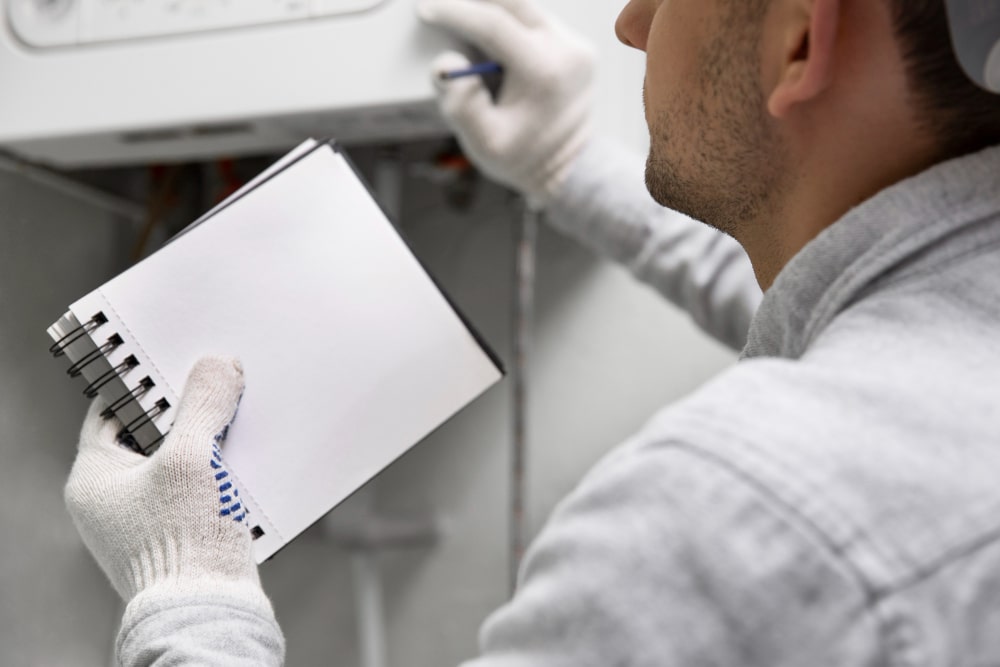
A homeowner pays:
- $450 repair (heating element)
- $600 repair (thermostat issue 6 months later)
- $300 flush service
Total: $1,350 spent in one year
A new system might have cost:
A new system might have cost:
- $1,800–$2,500 installed
➡ In this case, replacement would have been more cost-efficient within 12–18 months.
How to Reduce Water Heater Costs (Preventive Tips)
How can homeowners avoid expensive repairs?
1. Schedule annual maintenance
Prevents sediment buildup and extends system life.
2. Flush the tank regularly
Removes minerals that reduce efficiency.
3. Install a water softener (if needed)
Reduces long-term corrosion risk.
4. Monitor energy bills
Unexpected increases often indicate inefficiency.
Prevents sediment buildup and extends system life.
2. Flush the tank regularly
Removes minerals that reduce efficiency.
3. Install a water softener (if needed)
Reduces long-term corrosion risk.
4. Monitor energy bills
Unexpected increases often indicate inefficiency.
FAQs: Water Heater Repair vs Replacement Cost
❓ How much does it cost to repair a water heater?
Most water heater repairs cost between $150 and $600, depending on the issue. Minor fixes like thermostat or heating element replacement are on the lower end, while leak repairs or electrical issues can cost more.
❓ Is it worth repairing a 10-year-old water heater?
In most cases, no. Once a water heater reaches 8–12 years of age, repair costs tend to increase while efficiency decreases. Replacement is often more cost-effective long-term.
❓ What is the average cost to replace a water heater?
Water heater replacement typically costs between $1,200 and $3,500, depending on the unit type (tank or tankless), installation complexity, and energy efficiency rating.
❓ What are the signs my water heater needs replacement?
Common signs include:
- Rust-colored or discolored water
- Frequent repairs within a short period
- Visible leaks or tank corrosion
- Inconsistent water temperature
- Rising energy bills
❓ Why does water heater repair cost increase over time?
Repair costs increase due to aging components, sediment buildup, and internal corrosion. As systems deteriorate, multiple parts often begin failing simultaneously instead of a single repairable issue.
❓ What happens if I keep repairing an old water heater?
Continuing to repair an aging system can lead to higher long-term costs, frequent service calls, and increased risk of unexpected failure or water damage. In some cases, total repair spending exceeds replacement cost within 1–2 years.
❓ Can regular maintenance reduce water heater repair costs?
Yes. Annual maintenance such as flushing the tank, checking the anode rod, and inspecting heating elements can significantly reduce breakdowns and extend system lifespan by several years.
❓ What is more cost-effective: tank or tankless water heater?
Tankless water heaters have a higher upfront cost but typically offer:
- Lower energy consumption
- Longer lifespan (up to 20 years)
- Reduced long-term maintenance costs
Traditional tank systems are cheaper initially but may require more frequent replacement over time.